Field guides for running
more than one store.
Stock, tills, transfers, costing and the books, written for owners and operators of chains, pharmacies, grocers and distributors. Every guide starts with the short answer.
Also new

Customer Credit Limits: How Retailers and Wholesalers Set Them and Enforce Them at the Till
How to Reconcile Cash Drawers Across Multiple Stores

How to Reduce Expired Stock Write-Offs: A Playbook for Pharmacies, Grocers and Distributors

How to Run a Stock Count With a Team (Without Counting Twice or Missing a Shelf)
Every guide

How to Stop Selling Below Cost at the Till
Why retailers end up selling below cost (stale prices, overrides, stacked discounts, wrong units) and the controls that stop it, with worked numbers.
Landed Cost Explained for Retailers (With a Worked Example)
What landed cost includes, how to split freight and duty across products by value or by quantity, and why the choice changes your margins.

Multi-Store POS Buying Checklist: 30 Questions to Ask Before You Sign
Thirty questions for choosing a POS for several stores, covering offline selling, stock, transfers, purchasing, margin control, accounting and audit.
FEFO vs. FIFO: Expiry-Based Inventory Rotation for Food & Beverage Retailers
Perishables should rotate by expiry date, not arrival. What FEFO is, when it beats FIFO, and how to make the system enforce it instead of staff memory.

Split Tender, Store Credit, and Layaway: The Payment Flexibility Features Retailers Actually Need
Split tender, store credit and layaway look simple in a demo and break in production. What each one needs to work, and what to test before you buy.

Franchise Inventory Management: How to Standardize Operations Across Franchisee-Owned Locations
How franchisors keep catalogues, prices and suppliers consistent across franchisee-owned stores, while each owner runs their own business.
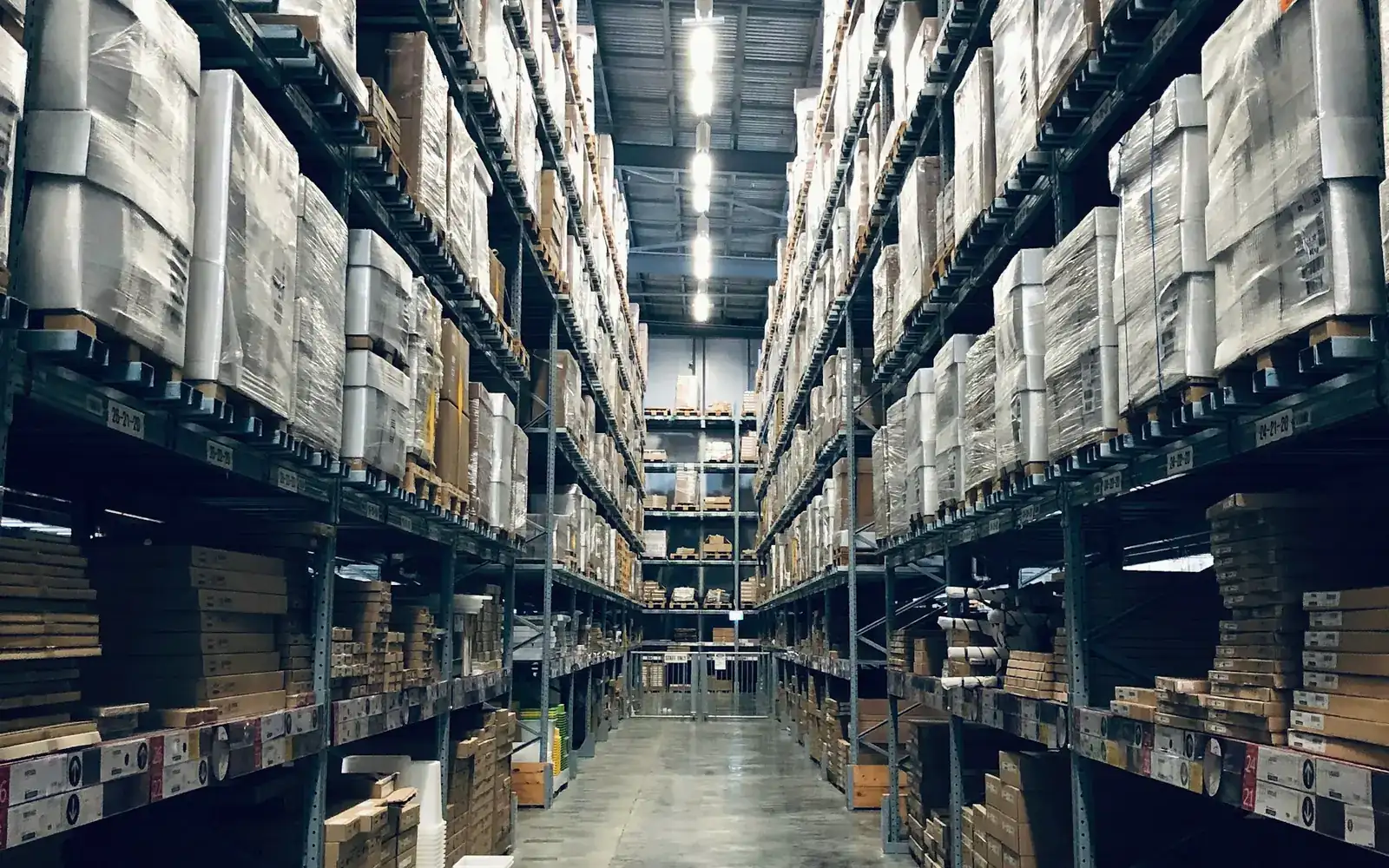
Dead Stock and ABC Analysis: How to Find and Clear Inventory That's Killing Your Cash Flow
Find dead stock with ABC analysis and inventory aging, then clear it with staged markdowns, bundles and liquidation that recover the most cash.
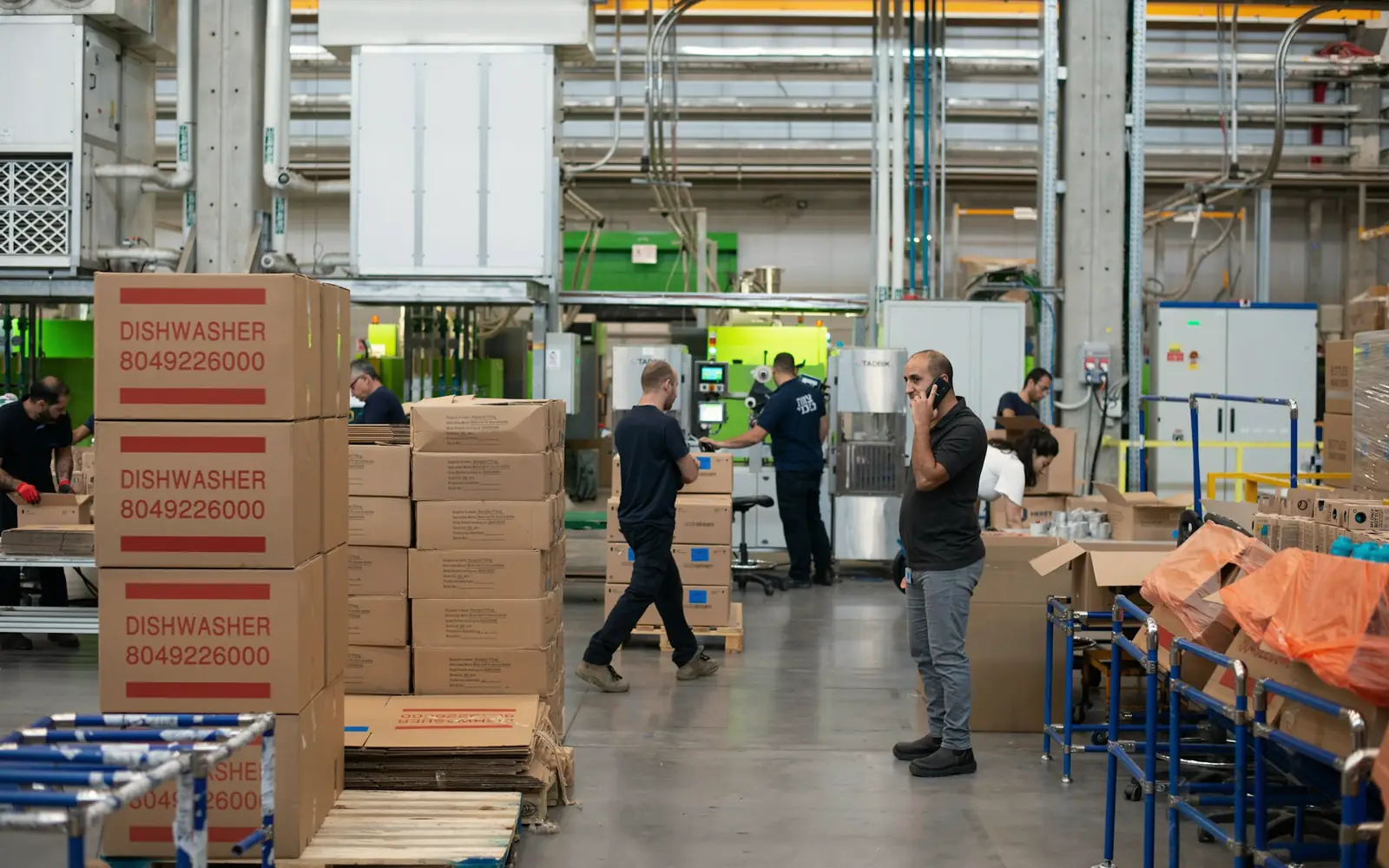
Receiving Discrepancies: How to Catch Short Shipments, Overages, and Damaged Goods Before They Hit Your Books
Catch short shipments, overages, substitutions and damage at the dock with blind receiving and a resolution workflow, before they become shrinkage.
Purchase Order Management for Retail: From Manual POs to Sales-Based Replenishment
A structured purchase order process: lifecycle stages, reorder points, sales-based order suggestions and landed cost, from need to received goods.

How to Build a Retail Loyalty Program That Actually Increases Revenue
Most loyalty programs reward customers who would have bought anyway. How to design one that changes behaviour, and how to measure if it works.
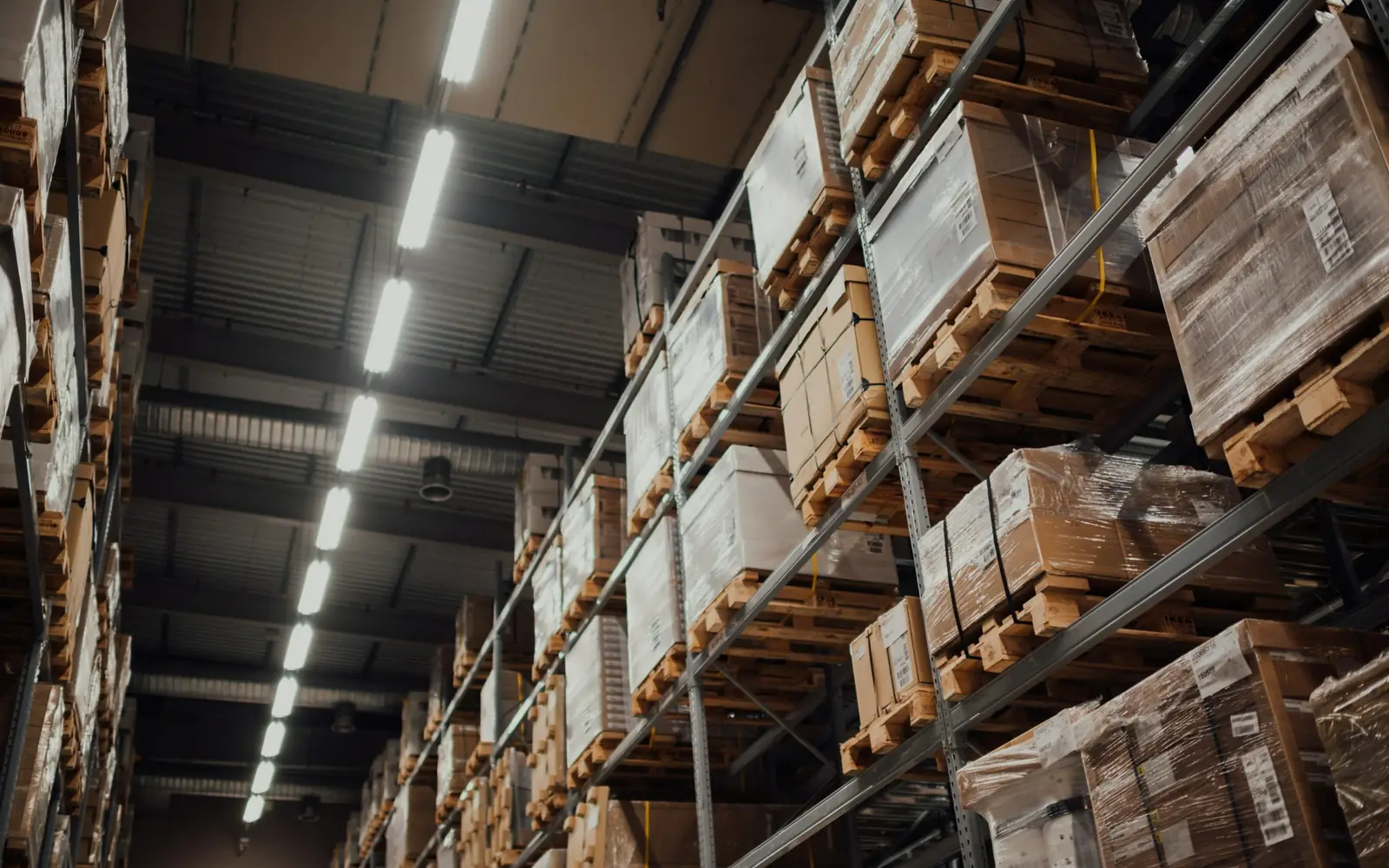
FIFO vs LIFO vs AVCO: Which Inventory Costing Method Is Right for Your Retail Business?
FIFO, LIFO and weighted average cost compared, with a worked example, what IFRS and the IRS allow, and how to choose for your product mix.
Retail Shrinkage Prevention: How to Find It, Measure It, and Stop It
US retailers reported shrink of 1.6% of sales in 2022. How to calculate your shrinkage rate, find where stock goes and cut losses.
Canadian Retail Software: What US-Built Tools Get Wrong and What to Look For Instead
What Canadian retailers should check in retail software: GST/HST/PST/QST, multi-currency, French for Quebec, Interac, and the payroll gap.

Retail ERP for Small Business: How Independent Retailers Get Enterprise-Grade Operations Without the Enterprise Price
What retail ERP means for independent retailers and small chains, what it costs you not to have one, and four questions to evaluate a platform.

Why QuickBooks and Your POS Never Quite Sync (And What It's Actually Costing You)
Why QuickBooks and POS syncs break (duplicates, drift, mapping gaps), what reconciliation really costs, and why one system removes the problem.

How to Switch POS Systems Without Losing Data: A Retail Migration Guide
A step-by-step guide to switching POS systems without losing products, customers or sales history: audit, validate, run in parallel, train.
Managing Wholesale and Retail from One Platform: Why Separate Systems Are Costing You
Selling wholesale and retail from separate systems means two stock counts and endless reconciliation. What one system for both channels changes.

Retail POS Total Cost of Ownership: What Vendors Won't Tell You
The monthly fee is only the start. How to model a POS's three-year total cost: processing, per-user fees, add-ons, integrations and reconciliation.

5 Signs Your Multi-Location Business Has Outgrown Its POS Software
Five signs a multi-location business has outgrown its POS, from hours of weekly reconciliation to month-ends that take weeks to close.

Demand Forecasting for Retailers, Without the Hype: How to Work Out How Much to Order
A plain-arithmetic demand forecast you can check: daily sales rate, forecast period, stock on hand and on order. Where AI helps and where it doesn't.

Retail Trends 2026: The Operators Growing Fastest Have One Thing in Common
The retailers pulling ahead in 2026 share one advantage: POS, stock and the books in one system. What that looks like and how to get there.

Offline POS: What Happens When the Internet Goes Down (and What to Ask Your Vendor)
What an offline-first POS keeps doing without internet, what it can't, how sales sync without duplicates, and the questions to ask before you buy.

Batch and Lot Tracking: A Complete Guide for Retailers and Wholesalers
How batch and lot tracking works, who needs it, how it drives FIFO/LIFO/average costing and expiry control, and how it survives transfers.

Why Your Business Needs Tamper-Evident Accounting Software
How hash-chained, tamper-evident ledgers make edits to past records detectable, and why an audit trail alone isn't enough.

Multi-Location Retail Management: How to Scale Without the Chaos
How to run several stores from one system: a single data model, recorded transfers, per-location and consolidated reports, and offline tills.

Retail ERP Buyer's Guide: 7 Features You Can't Compromise On
What to look for when evaluating retail ERP software, and the seven features that decide whether a platform will grow with your business or hold it back.